Calm Shouldn't Come With a Data Plan: The Rural Wellness Divide Nobody's Talking About
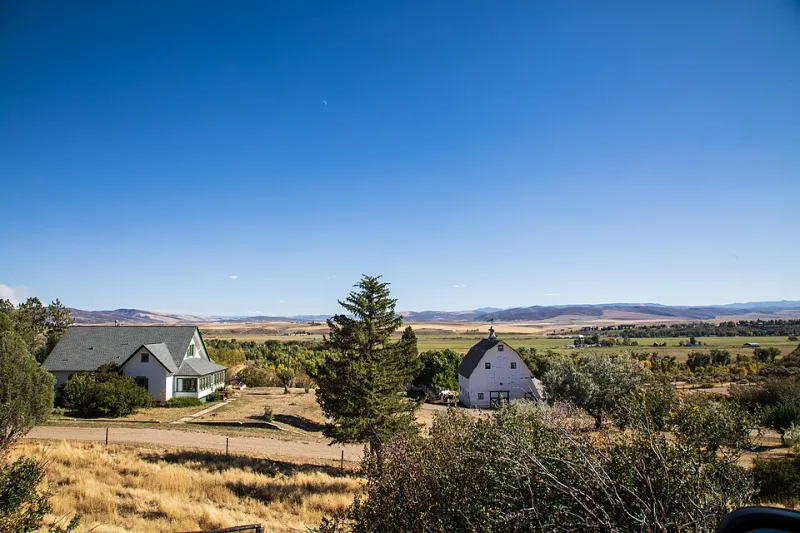
Photo: Rdg01, CC BY-SA 4.0, via Wikimedia Commons
Picture this: it's 10 p.m. in a small town in eastern Kentucky. The day was long — a double shift, a sick kid, a broken-down truck. You've heard that meditation podcasts can help you unwind before bed. You pull out your phone, open a podcast app, and watch the loading wheel spin. And spin. And spin.
That's the reality for a significant slice of America that wellness culture tends to overlook.
While cities and suburbs enjoy high-speed broadband and a booming local wellness scene — yoga studios on every corner, therapists offering telehealth, mindfulness apps running silky-smooth — rural communities are navigating a very different landscape. And the gap isn't just about convenience. It's about who gets to access the tools that support mental and emotional health in the first place.
The Signal Problem Is Bigger Than You Think
According to the Federal Communications Commission, roughly 21 million Americans lack access to broadband internet — and independent researchers suggest the real number could be nearly double that. The majority of those people live in rural areas: small farming towns, mountain communities, tribal lands, and forgotten stretches of the rural South and Midwest.
For those folks, streaming a 45-minute guided meditation isn't just inconvenient. It might genuinely not be possible. Buffering interrupts breathing exercises. Dropped connections snap you out of a body scan. Data caps mean that choosing between a sleep podcast and a video call with your doctor is an actual decision someone has to make.
"I've got one bar out here on a good day," says Marlene, a cattle farmer in rural Montana who asked us to use only her first name. "I tried one of those meditation apps my daughter recommended. It kept cutting out. After the third time, I just gave up. It felt like even relaxing wasn't meant for people like me."
That's a sentiment we heard again and again while reporting this piece.
Fewer Resources, More Stress
Here's the cruel irony: rural Americans often carry heavier stress loads than their urban counterparts, yet have access to fewer tools to manage them.
Rural communities face higher rates of chronic illness, lower median incomes, and a serious shortage of mental health professionals. The Health Resources and Services Administration estimates that over 60% of rural Americans live in mental health professional shortage areas. Therapists are scarce. Wellness centers are rare. The kind of casual, drop-in mindfulness class that's a Tuesday-night staple in Brooklyn or Austin simply doesn't exist in most small towns.
For a lot of people in these communities, a wellness podcast isn't a lifestyle upgrade — it's a lifeline. Or it would be, if they could reliably access one.
"Out here, there's no yoga studio, no meditation group, nothing like that," says Darnell, a high school teacher in rural Mississippi. "I found a really good sleep podcast a while back. But I can only listen when I drive into town and park near the library to use their Wi-Fi. I do it on Friday evenings sometimes. It's kind of sad when you think about it, but it's what I've got."
What Podcast Platforms Are (and Aren't) Doing
The wellness podcast industry is booming. Hundreds of millions of episodes are downloaded every month. But the infrastructure that makes that possible — consistent high-speed internet, unlimited data plans, modern smartphones — is not evenly distributed.
Some platforms are starting to pay attention. Spotify has rolled out a download feature that lets users save episodes offline, which helps in areas with intermittent connectivity. Apple Podcasts offers similar functionality. But these features require someone to plan ahead — to download content while they do have a connection so they can listen later when they don't. That's a workaround, not a solution.
A handful of smaller, mission-driven podcast projects are going further. Some wellness creators have started offering low-bandwidth audio versions of their episodes — smaller file sizes that load faster and eat less data. Others are experimenting with SMS-based mindfulness content, sending short guided breathing exercises or affirmations via text message, which works even on the most basic cell plan.
One nonprofit audio project out of Appalachia has been distributing pre-loaded MP3 players to rural community centers stocked with guided meditations, sleep stories, and breathing exercises — no internet required. It's a decidedly old-school solution, but participants say it works.
The Equity Conversation Wellness Needs to Have
The wellness industry, for all its growth, has a well-documented tendency to skew toward affluent, urban, and predominantly white audiences. The imagery, the pricing, the assumed infrastructure — it all reflects a particular kind of American life.
Calling out that gap isn't about tearing down the genuine good that relaxation content does. Plenty of people have had their lives meaningfully improved by meditation podcasts, sleep stories, and breathwork guides. That's real, and it matters.
But if the conversation around wellness equity stops at "we need more diverse voices in podcasting" without also asking "can the people who need this most actually hear it?," then it's an incomplete conversation.
Rural wellness access is an infrastructure problem, a policy problem, and a design problem all at once. Platforms could do more to optimize for low-bandwidth environments. Podcast creators could offer downloadable transcripts for users who'd rather read than stream. Policymakers could prioritize rural broadband as a public health issue, not just an economic one.
Small Fixes, Real Impact
For those navigating this gap right now, a few practical workarounds can make a difference:
- Download before you go. If you pass through an area with reliable Wi-Fi — a library, a coffee shop, a relative's house — bulk-download a week's worth of podcast episodes before you head back to a low-signal zone.
- Look for lightweight apps. Some podcast players are specifically designed for low-data environments. Pocket Casts and Overcast both offer audio compression options that reduce file sizes without tanking sound quality.
- Explore offline-first content. YouTube has an offline download feature in its premium tier. Some mindfulness apps, like Insight Timer, allow offline access to downloaded sessions.
- Text-based mindfulness. Services like Headspace and Calm have email newsletters with written mindfulness practices — no streaming required.
These are patches, not fixes. But they're something.
The Bigger Picture
Wellness shouldn't be a luxury reserved for people with fiber-optic internet and a Whole Foods nearby. The whole premise of relaxation content — that anyone, anywhere, can find a moment of calm — rings hollow if the "anywhere" quietly excludes a fifth of the country.
Marlene, the Montana farmer, told us she eventually found an old iPod in a drawer and loaded it up with guided meditations during a trip to visit her daughter in Billings. She listens to it most nights now.
"It's not fancy," she said. "But it works. I sleep better. I feel less wound up. I just wish I didn't have to work so hard to get there."
She shouldn't have to. Nobody should.
If you know of platforms, nonprofits, or creators working to improve rural access to wellness content, we'd love to hear about them. Drop us a note through the RelaxPods contact page.